Home EV Charger Installation in Monmouth
Home EV charger installation in Monmouth lets you charge your car on your own drive, usually overnight. We're Level 3 qualified in EV charging, and we check your supply before giving a free quote.
- NAPIT registered electrician
- 10 years in business
- Free, no-obligation quotes
- 24/7 emergency call-outs

Home EV charger installation in Monmouth
- 01
Where the charger goes
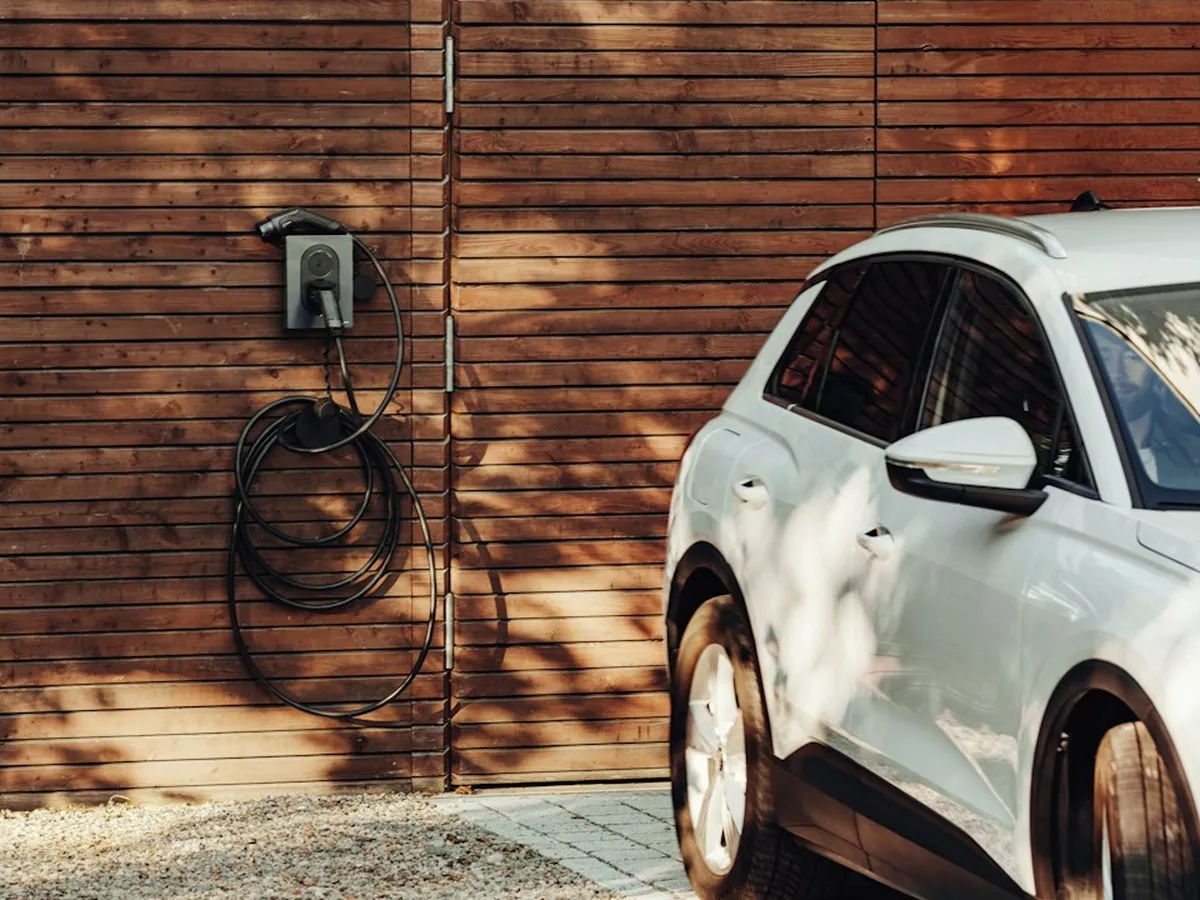
The best spot is close to where you park, on a wall the cable can easily reach the car's charging port from. We also look at the route back to your consumer unit, as a shorter cable run is often neater and costs less to install.
- 02
Checking your supply
A home charger usually draws up to 7kW for hours at a time. We check your main fuse, consumer unit and earthing can handle that alongside everything else in the house. Some chargers can reduce their charging speed automatically when the house is using a lot of power.
- 03
Smart chargers and earthing
Home chargers sold in Great Britain must be smart, so they can schedule charging for cheaper hours. The installation also needs protection against a rare supply fault called an open PEN fault. Many chargers have this built in, and otherwise we fit an earth rod.
What to expect from a home EV charger installation
We start with a few photos or a short visit to see where you park, your consumer unit and the meter. That tells us the cable route and whether any upgrades are needed. You then get a free quote covering the charger, circuit and fitting.
Most home installs take around half a day. We fit the charger, run a dedicated circuit with the right protection, then test it and help you set up the app. We notify your network operator about the new charger and give you a certificate for the work.
What's included
- Survey of parking and supply
- Charger fitted where it suits you
- Dedicated, protected circuit
- Earthing checked or added
- App set-up and first charge
- Network operator notified
How it works
Get in touch
Ring us or send a few details about the job. We aim to respond the same day, with no call-out charge.
Visit and free quote
We come and look at the work, then give you a free quote with no obligation to go ahead.
Done, tested and certified
We finish the job, test every circuit we've worked on and leave you with the right certificate.
Home EV charger installation questions
How much does a home EV charger installation cost in Monmouth?
It depends on the charger you choose, how far the cable runs from your consumer unit, and whether the board or earthing needs work. A short run on a good board costs less. We give you a free quote once we've seen photos or visited.
How fast will a home charger charge my car in Monmouth?
Most homes have a single-phase supply, so home chargers usually top out at around 7kW. That's enough to fully charge most electric cars overnight. The car's own onboard charger can also limit the speed, so check its maximum AC charging rate.
Do I need permission to fit an EV charger at my Monmouth home?
Usually not. A wall-mounted charger on a house is normally allowed without planning permission, though listed buildings and conservation areas can have extra rules. The network operator must be told about every new charger, and we handle that notification for you.
Can I have a home EV charger near Monmouth without a garage?
Yes. The charger can go on an outside wall, a fence post or a small pedestal, as long as it's close to where you park off the road. Outdoor chargers are built to be weatherproof, and the cable is protected where it runs outside.
Home EV charger installation across Monmouth and Gloucestershire
We fit home EV chargers on drives and garage walls across these areas.
Other EV charging services in Monmouth
Book a home EV charger installation in Monmouth
Send us a photo of your drive and your consumer unit, and we'll get back to you with a free quote.